
0769-23388351
Toggle Navigation


This page provides data on the physical properties of sintered and cast AlNiCo magnets. The density of AlNiCo alloys is typically in the range of 7.2-7.6 g/cm³, depending on the specific composition ratio.... ...More>>
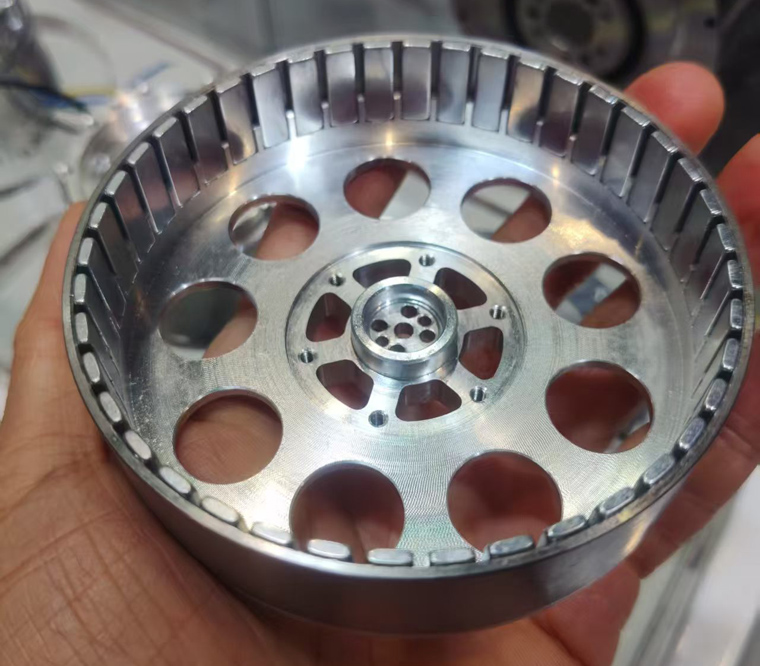
The answer is that they can be remagnetised, but they will not return to their original level. In other words, their intrinsic magnetic properties have deteriorated and cannot be fully restored. It is therefore essential to understand the operating temperatures of various magnets.... ...More>>
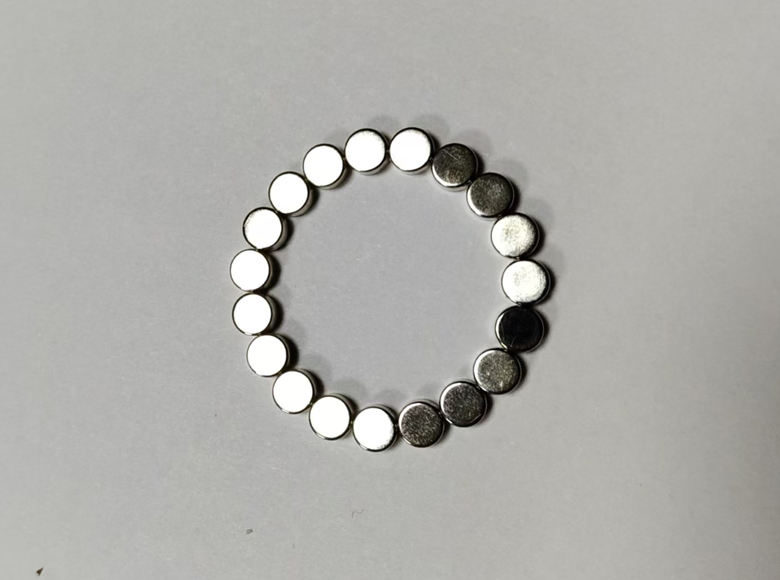
In some cases, neodymium high-strength magnets may demagnetize when exposed to instantaneous high temperatures, but this depends on various factors.... ...More>>
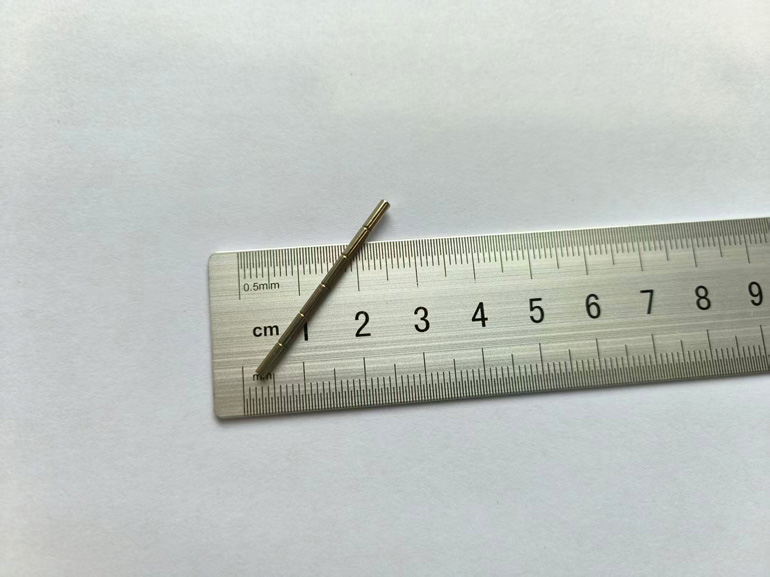
The above summarises frequently asked questions from customers regarding micro-precision magnets. Should you wish to make a purchase, please feel free to contact our company.... ...More>>
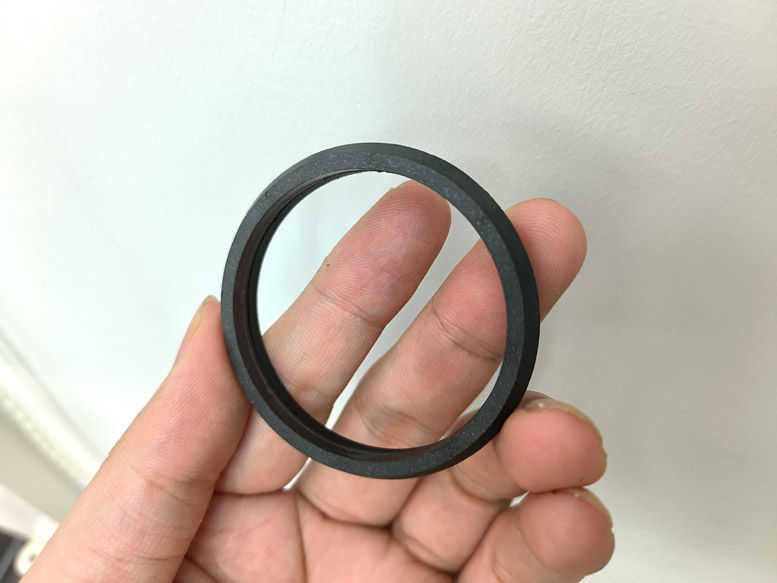
If you currently have specific dimensions, pole counts, magnetisation methods or application scenarios for injection-moulded magnets, you can send the drawings directly to our online customer service team via the website for a price quotation or to find a similar size.... ...More>>
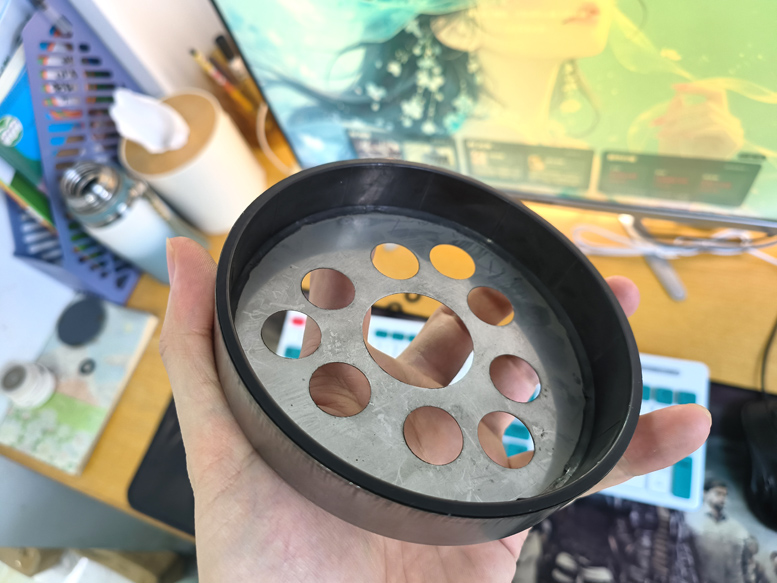
As for the type of magnet used, this varies depending on the specific motor. Common magnets used in internal rotors include neodymium-iron-boron magnets, ferrite magnets and samarium-cobalt magnets, with radial external magnetisation.... ...More>>
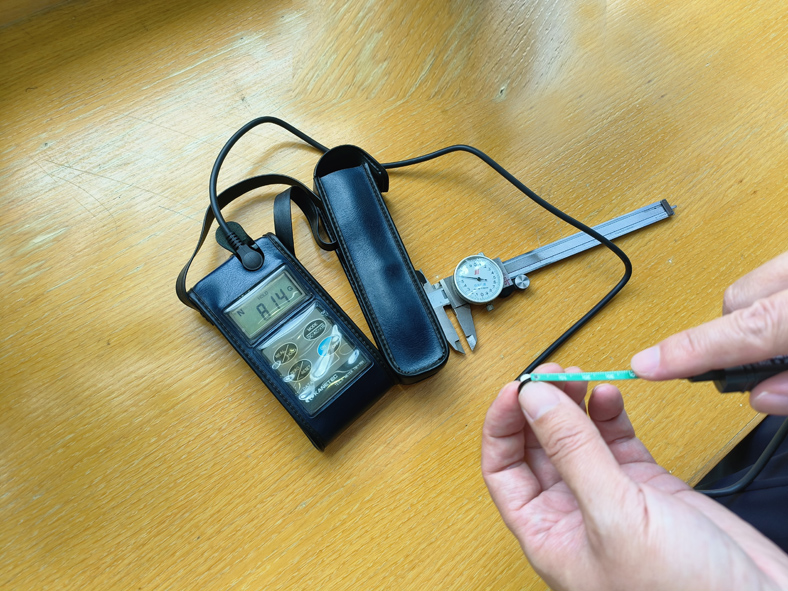
The parameters actually used to determine the magnetic performance grade are material parameters such as remanence (Br), coercivity (Hcj) and maximum energy product (BHmax)... ...More>>

Ultra thin strong magnets refer to permanent magnets with relatively thin thickness, such as thickness less than 1mm, the magnet material is usually neodymium,... ...More>>
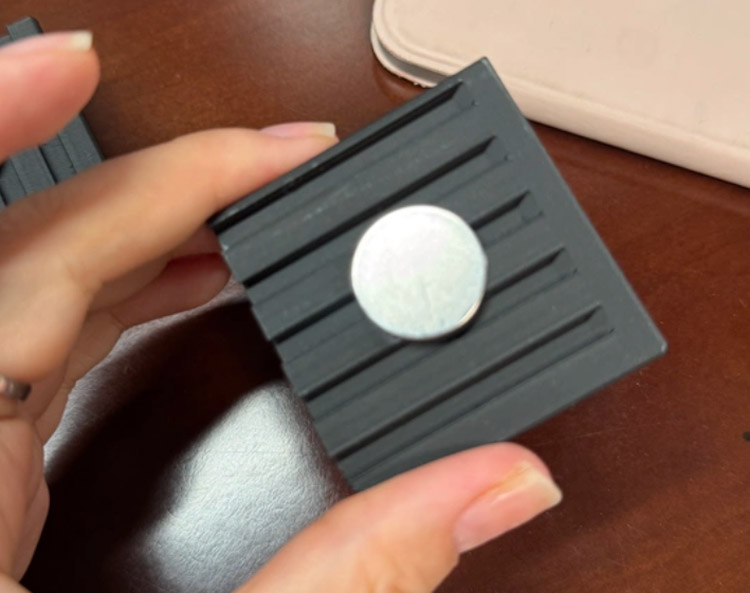
Our company offers custom ultra-thin circular magnets below 1mm thickness. Whether you require 0.8mm, 0.6mm, 0.5mm, or other thicknesses, we can accommodate your needs. Please contact us for pricing inquiries.... ...More>>
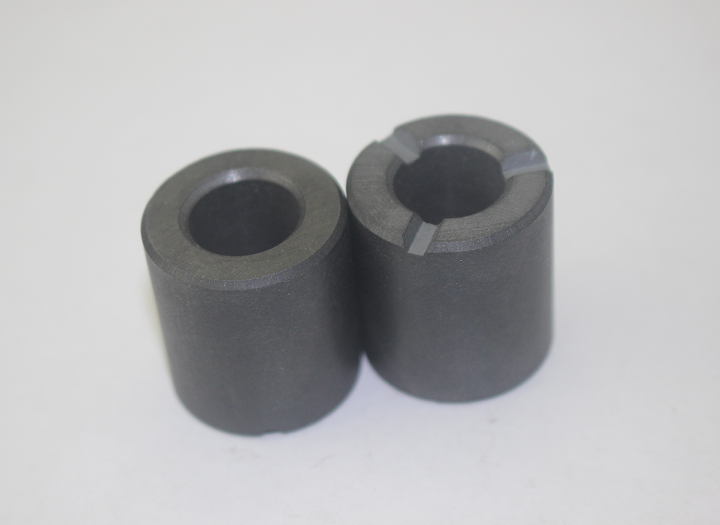
Hello everyone, I am Courage magnet manufacturer Xiaofu, a network promoter who has been in the magnet industry for 6 years. If you have magnet problem. Please contact me. Today's topic: Is wet pressed ferrite magnets the anisotropy?... ...More>>