
0769-23388351
Toggle Navigation

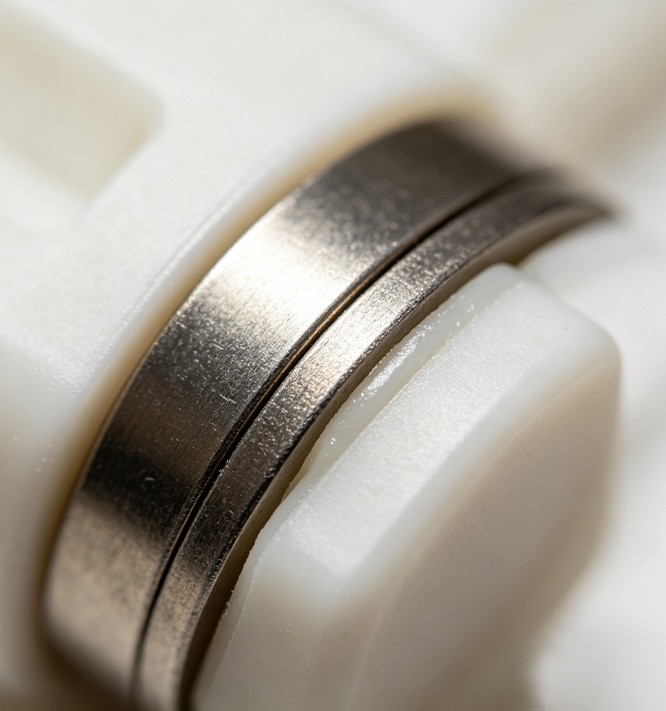
In many plastic products, small magnets are used, such as sensors, electronic products, toys, door locks, level gauges, motors, and various magnetic components. After the magnets are installed in plastic parts, how to fix them firmly and not easily loosen is a concern for procurement and engineering... ...More>>
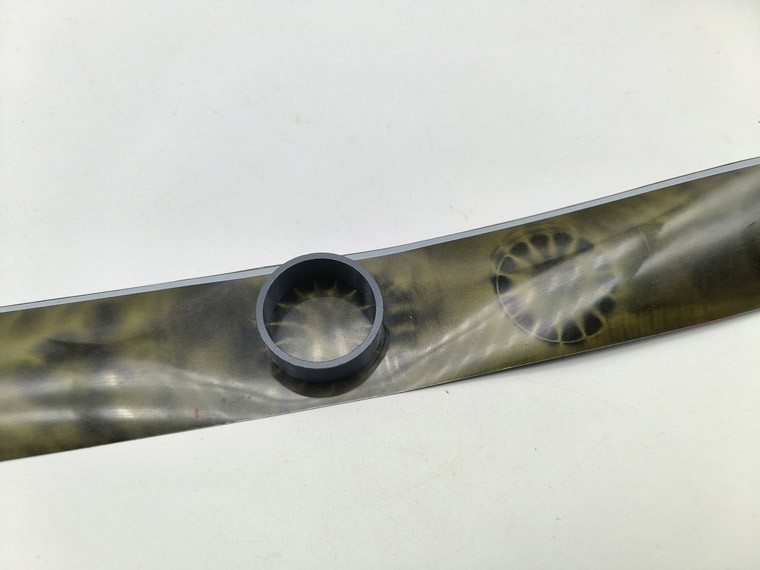
In brushless motor fans, the choice of the number of magnetic poles directly affects the motor’s rotational speed, noise level, operational stability and cost. So, what are the requirements for the number of rotor poles and stator slots in different types of fans?Household floor fans and table fans... ...More>>
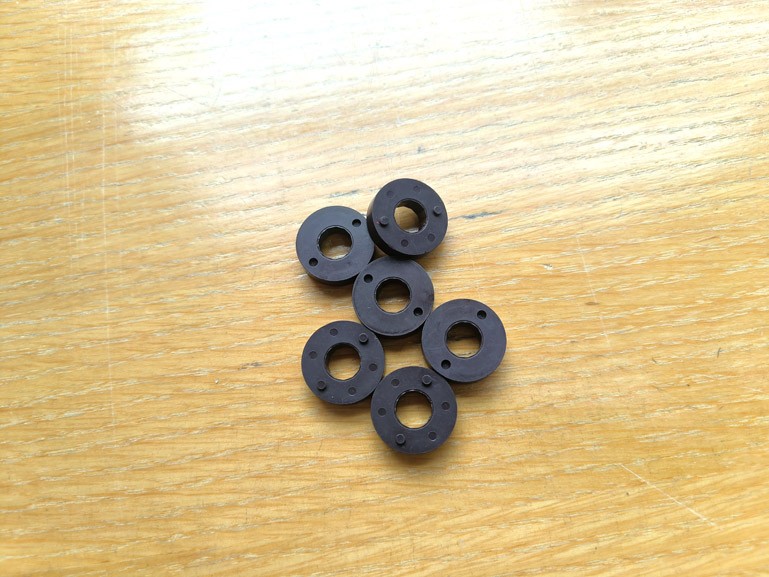
Overall, injection-moulded magnetic rings for air conditioning applications represent a cost-effective solution. For applications such as air conditioning fans and small brushless motors, injection-moulded magnetic rings offer clear advantages in terms of cost.... ...More>>
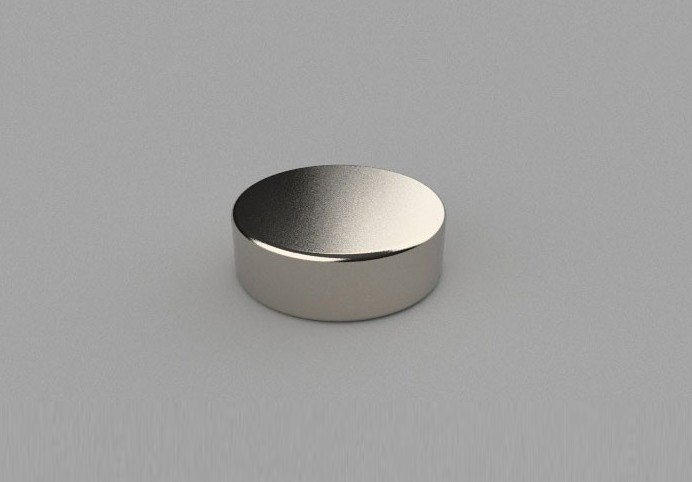
For a circular neodymium iron boron magnet with a diameter of 15mm and a thickness of 5mm, it is unlikely to reach 5000 Gauss, let alone other materials.... ...More>>
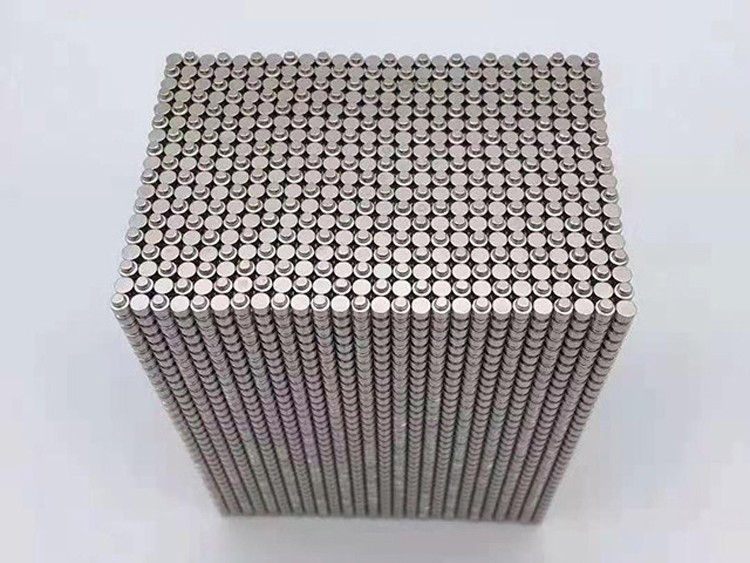
Some internet users have asked what the reasons are for magnets failing to meet dimensional specifications. Below is an analysis of some common causes compiled by our editorial team.... ...More>>

As explained above, you should now understand that magnetic poles are determined by the magnetization method, not by the countersink structure. Specific pole assignments (N or S on particular faces) can be discussed directly with the magnet manufacturer.... ...More>>
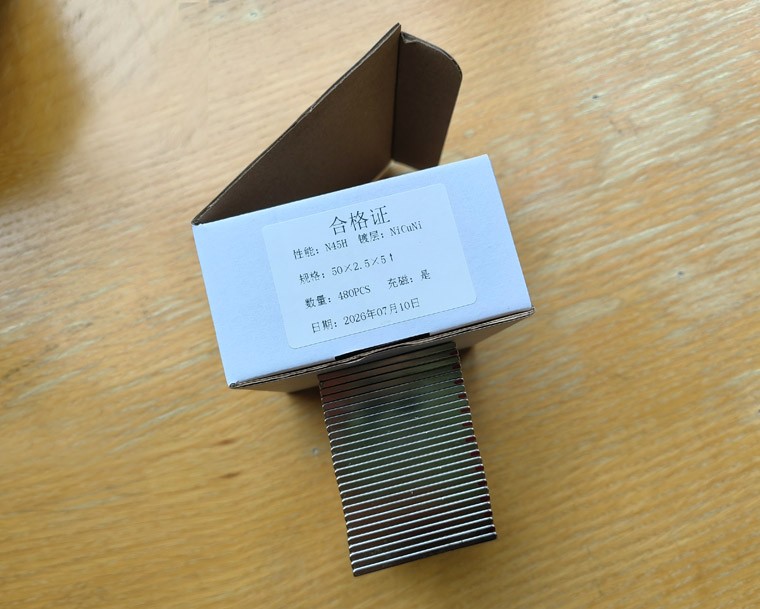
In fact, whether it is neodymium iron boron or ferrite magnets, improper use can affect product performance and even cause magnet damage. Today, I will talk to you about some important usage details.... ...More>>
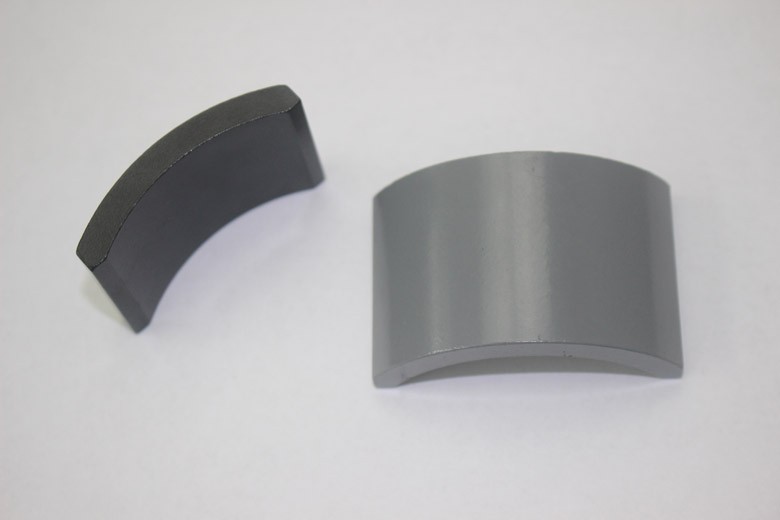
In short, the size of the magnet plays a crucial role in motor performance, but it is only one of the many factors that affect torque. The comprehensive consideration of motor design includes the size, shape, magnetic field strength, and coordination with other components of the magnet.... ...More>>
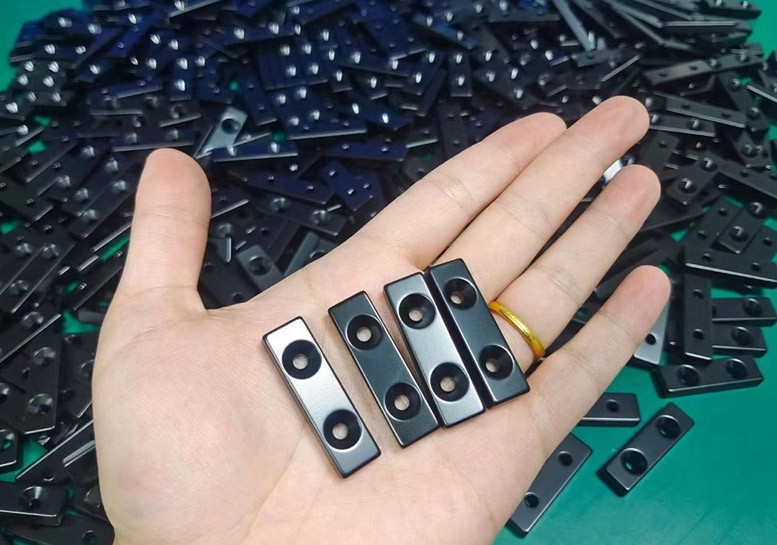
So, a 42H magnet with a magnetic field exceeding 500mT is a conditional and normal phenomenon. Ordinary 3mm and 5mm thick magnets cannot achieve such high surface magnetic strength.... ...More>>
Some people want the magnetism to become stronger, and some feel that the magnetism is too strong and want to reduce it and become weaker. Today, our article mainly talks about some methods and techniques to make the magnetism weaker. I hope it will help you. !... ...More>>