
0769-23388351
Toggle Navigation

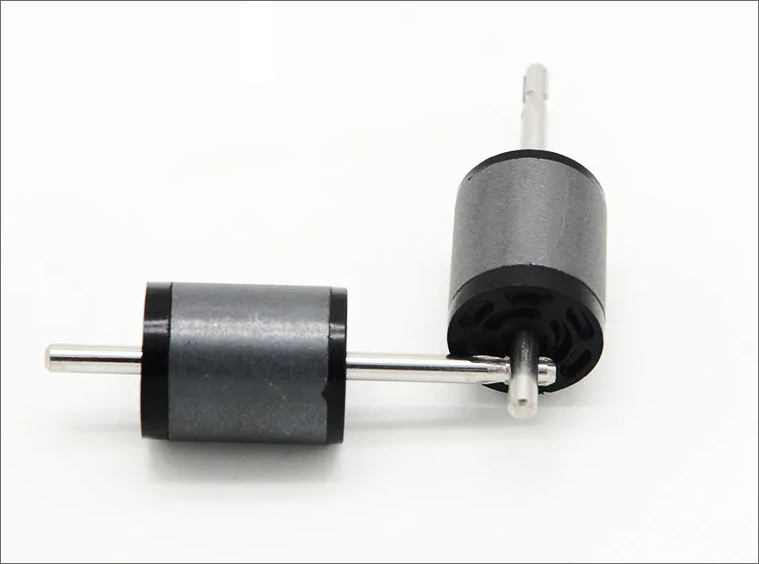
Some people wonder: How do the rotors in household circulation pumps, aquarium pumps, and car cooling pumps—which are constantly submerged in water—manage to keep their magnets intact? How is this achieved?... ...More>>

As explained above, you should now understand that magnetic poles are determined by the magnetization method, not by the countersink structure. Specific pole assignments (N or S on particular faces) can be discussed directly with the magnet manufacturer.... ...More>>
The above covers whether a 12-pole (6-pair) magnetic ring is sufficient for encoders. For speed detection, cost-controlled products, and space-constrained small equipment, 12 poles offer excellent cost-performance. However, for motion control systems demanding high precision and stability。... ...More>>
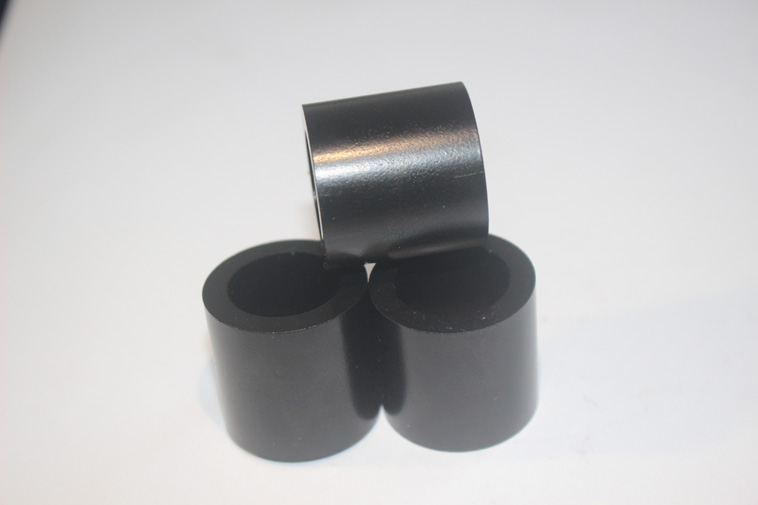
In summary, magnets capable of generating radial magnetic fields are not limited to any single material but are defined by the core characteristic of “radial magnetization.” Whether in the form of discs, rings, wedges, or irregularly shaped plastic-molded magnets, they can all generate radial magnetic fields in practical applications.... ...More>>
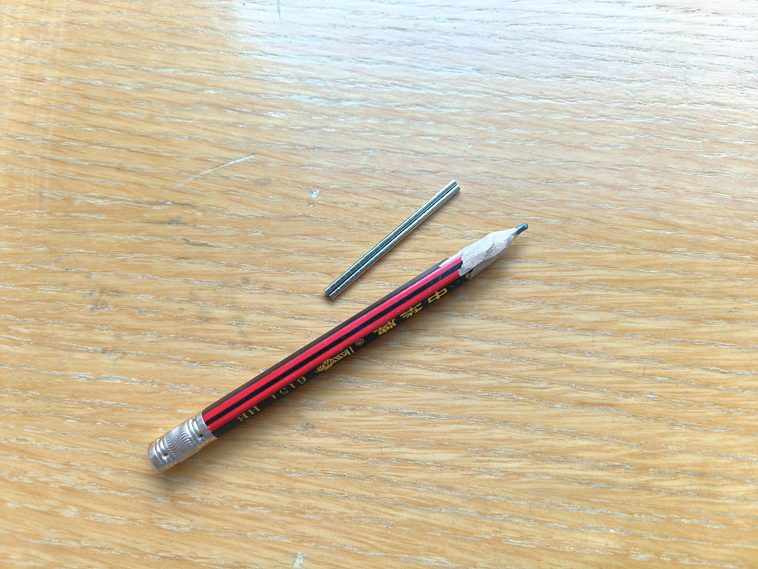
Neodymium magnets have the advantages of strong magnetic force and small size, but the material itself is brittle. When subjected to impact, drop, or assembly impact, it is easy to have missing corners, cracking, or even fragmentation. Is there any way to improve the impact resistance of neodymium magnets?... ...More>>
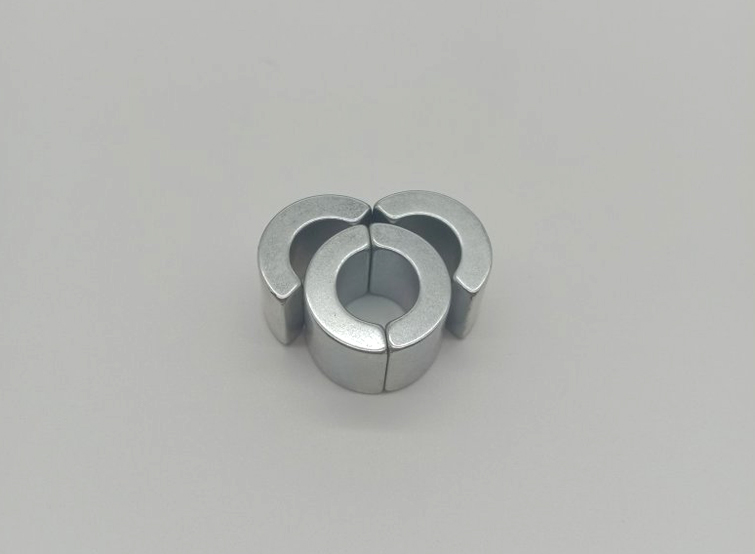
First, if magnets are installed with reversed polarity (N installed as S, or two adjacent poles both as N or S), the motor will almost certainly fail to start normally.... ...More>>

Many people notice that when using magnets, stacking several together seems to make them “stronger” than a single magnet. Is this true? Today, we'll explain the science behind this phenomenon and illustrate it with examples.... ...More>>

In summary, whether magnets need to be marked with N S depends mainly on the application. Two magnets used in pairs need to be distinguished, while single magnets used for adsorption applications do not need to be marked.... ...More>>

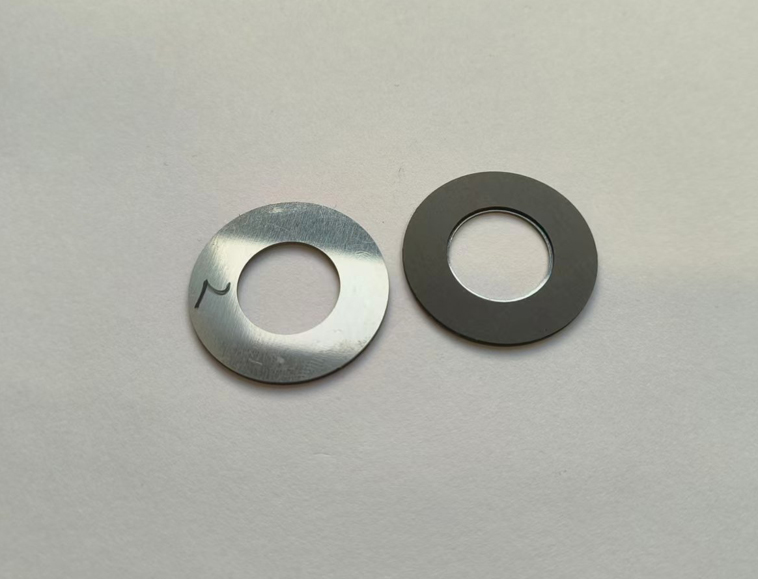
This is because neodymium magnet is a sintered material, which is hard and brittle like ceramic. Once the thickness becomes too thin (such as 0.3mm, 0.2mm, or even thinner), it is highly prone to chipping and cracking during processes like slicing, grinding, electroplating, and packaging, resulting in a significant drop in yield rate.... ...More>>

Regarding countersunk magnets, customers often encounter many questions. Below are the top 10 frequently asked questions and answers compiled by Xiao Fu.... ...More>>